
Messy workflow

Support triage, before your team opens the ticket.

Tickets arrive on every channel, at every hour, and many need a person only at the end. Mach 1 agents take the first pass: they answer what they can and hand the rest to your team with the conversation so far.

  • Minetta Gould DNSFilter
  • Craig McGowan Trace
On the tower’s board
  1. Tickets arrive on every channel, at every hour.
  2. The agent takes the first pass.
  3. Resolved, or with your team and ready to work.

Illustrative workflow. The requests shown are examples, not customer records.

Where support triage gets messy.

The queue is not one kind of ticket. It is every kind, arriving at once.

  • Tickets arrive on every channel.

    The agent takes the first part of each conversation, with the context for that channel.

  • The queue never stops.

    Nights, weekends, high season. The first reply doesn’t wait for a shift to start.

  • Some tickets need a person.

    Those go to your team with the conversation so far, so nobody starts from the beginning.

  • A backlog feeds itself.

    Days behind means every reply is late. Clearing the easy tickets first lets the team catch up.

Two customers on support triage.

Press play, and the scene beside each film follows what the customer says.

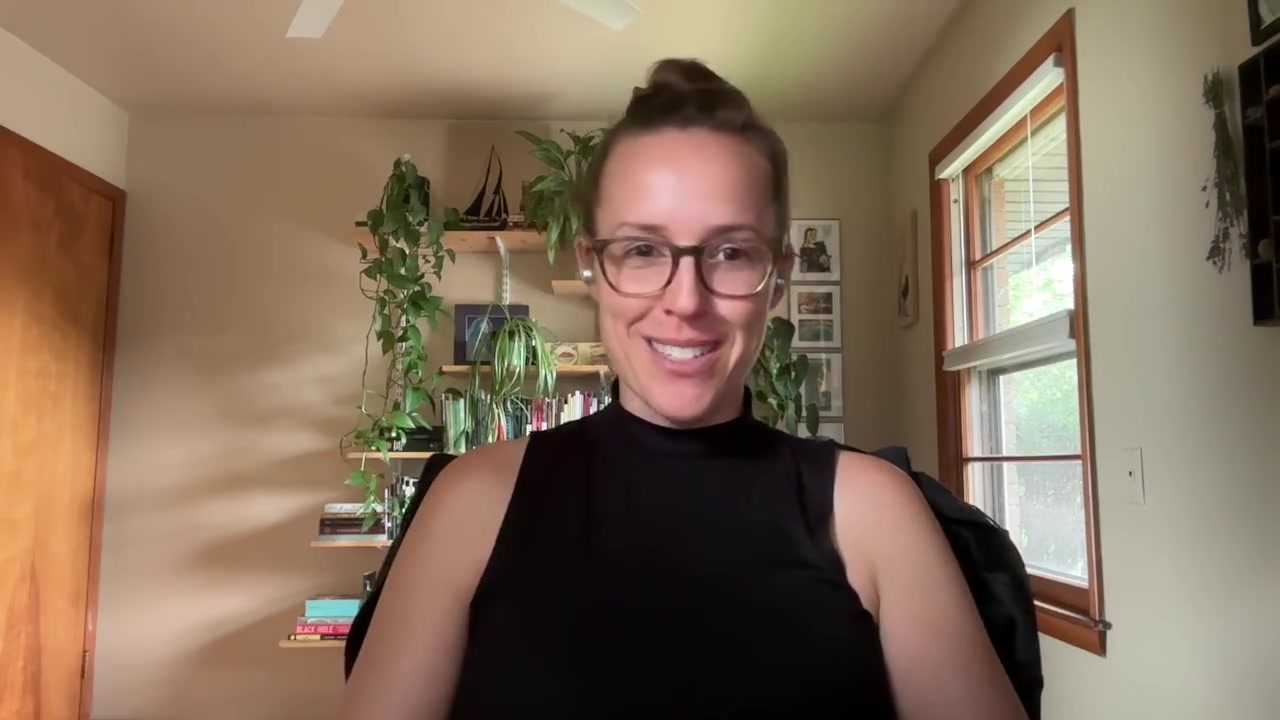
Minetta GouldProduct Manager, DNSFilter

Days behind, then four minutes to first contact.
Film, 1:27

What Minetta describes
  1. The goal: any Tier 1 question answered without a person.
  2. The reply could be immediate. DNSFilter adds a slight delay.
  3. Set to four minutes, for a human touch.
  4. Before: time to first contact was multiple days.
  5. After: four minutes.

DNSFilter’s support queue was days behind. In the first months with Mach 1, time to first contact dropped to four minutes, a delay DNSFilter sets on purpose to keep a human touch.

4 minTime to first contact went from multiple days to 4 minutes, a delay DNSFilter chose on purpose.

DNSFilter’s story
Read what Minetta says

So our ultimate goal is for any Tier 1 support question to be able to answer without human interaction. That's the overall goal. And then below that, there's an additional goal of time to resolution that we looked to influence and time to first response. So you already know this, but Mach 1 can be an immediate response to a customer request. But we have a set on a slight delay just to give it a little bit more of a human touch. And so we have a set to, I think, four minutes. Not a realistic human touch, but it's still four minutes. And in the first few months after implementing Mach 1, our time to first contact dropped from multiple days. Our team was that far behind on their support queue to four minutes. It was immediate. There wasn't a lag time in it. So many of the inbound tickets were able to be handled by Mach 1 just from our launch that the ratio just shrank so far. It was astounding. It was absolutely astounding.
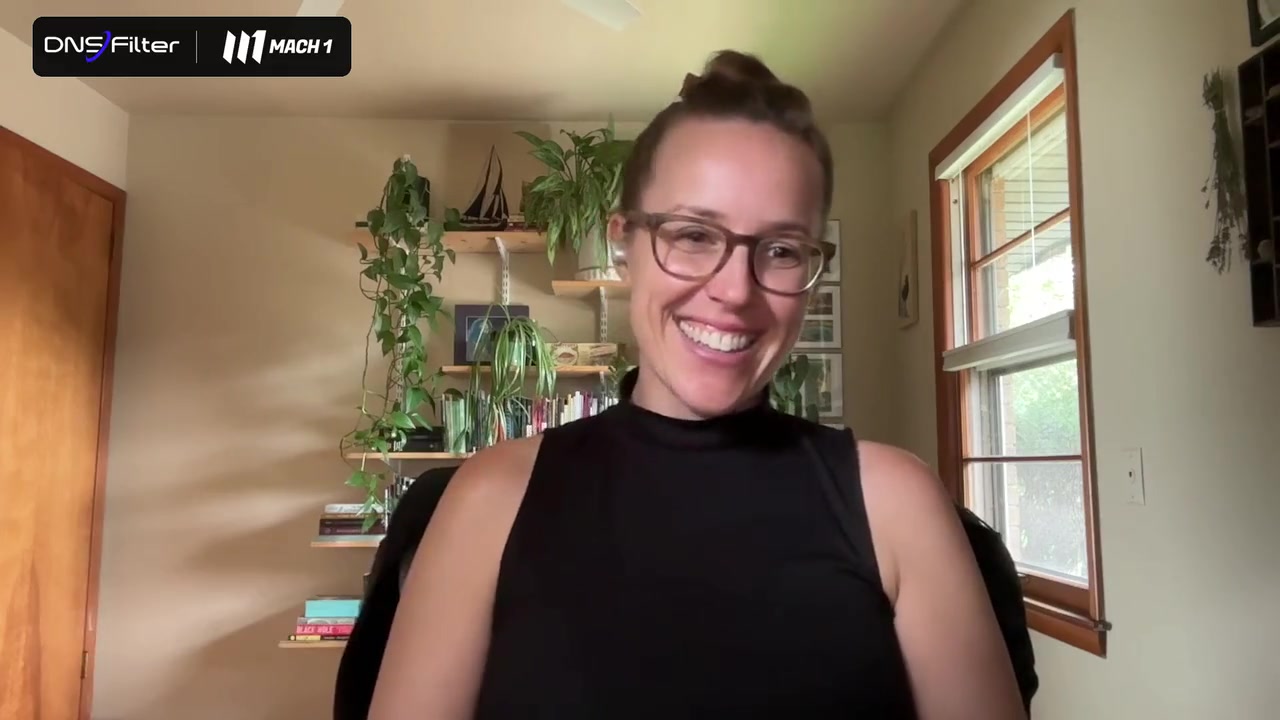
Minetta GouldProduct Manager, DNSFilter

The customer thought Casey was working the weekend.

Film, 0:48

What Minetta describes
  1. A customer who works overnight.
  2. Troubleshooting with Casey over a couple of days.
  3. He thanks Casey for working the weekend.
  4. “You deserve a raise.”
  5. Nobody trained Casey for that. It answered anyway.

A DNSFilter customer who works overnight spent a couple of days troubleshooting with Casey, DNSFilter’s Mach 1 agent. He thanked it for working the weekend and said it deserved a raise.

A customer who works overnight thanked Casey for troubleshooting with him over the weekend and said it deserved a raise.

DNSFilter’s story
Read what Minetta says

We have a customer that reaches out to us quite often, and he he works overnight, and our Mach 1 agent's name's Casey, and he was communicating with Casey, and this was in the first few months that we had launched Mach 1, and he was communicating with Casey, and I was watching the exchange over a couple days, and at one point he said, “It's really great of you to be working these hours over the weekend, like, and just continuing to troubleshoot this with me. Like, good on you, you deserve a raise.” I hadn't trained Mach 1 to respond to information like that, and it just naturally was like, “Yeah, no problem, here to serve.”

Craig McGowanTrace

Every channel starts with the agent.

Film, 0:55 · Voice only

What Craig describes
  1. Before: spread across Zapier and HubSpot automations.
  2. Replaced with faster versions built in Mach 1.
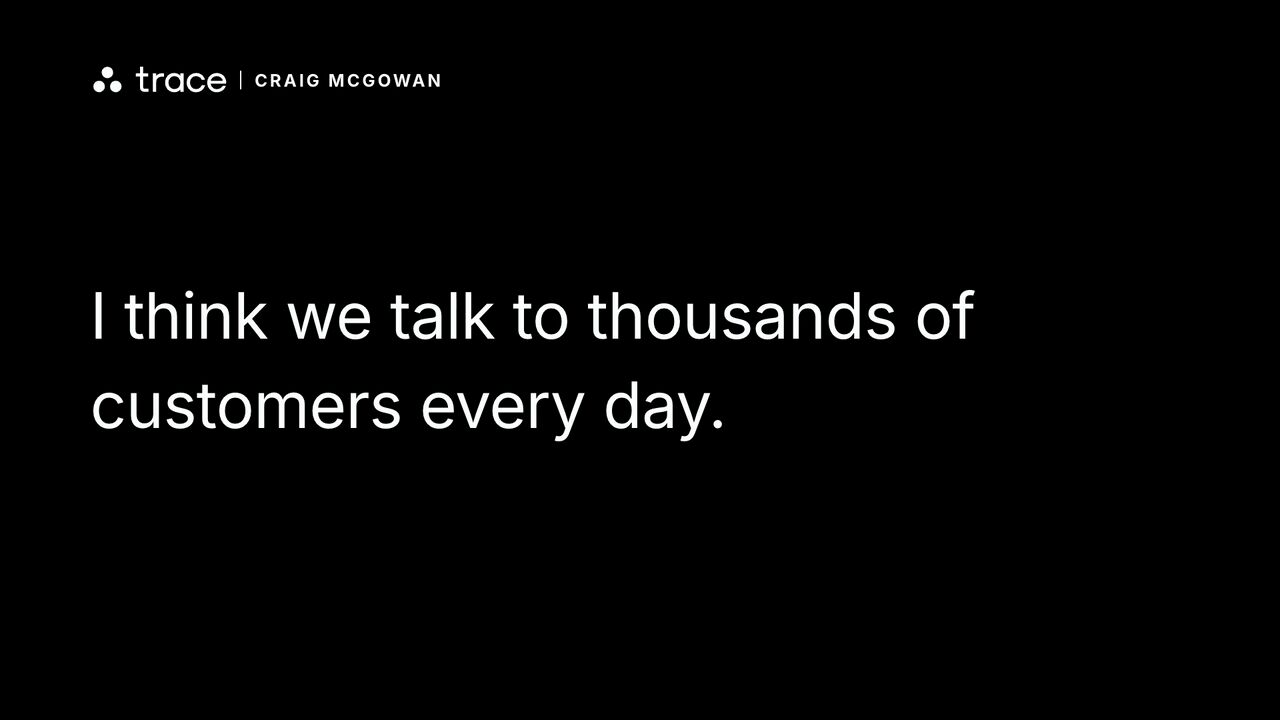
  3. Every customer channel, thousands of customers a day.
  4. The first part of each conversation is handled by Mach 1.
  5. A person steps in only if it needs to be handed off.

Trace replaced a spread of automation tools with Mach 1. Craig says every customer channel now starts there: the agent handles the first part of each conversation and hands off to a person only if it needs to.

Mach 1 handles the first part of each customer conversation on every Trace channel, before any handoff to a person.

Trace’s story
Read what Craig says

Previously, our company was on kind of like spread out a bunch of platforms like Zapier, HubSpot Automations. Right now, we're using Mach 1 to basically replace all those with better and faster versions of what was previously there. So anything that was kind of an automation that we paid out the nose for, we now have built it in Mach 1 and it's faster and cheaper, which we love. The other huge thing is just every single one of our customer communication platforms or I guess communication channels are all handled by Mach 1. I think we talk to thousands of customers every day. The first chunk of each conversation before it's if it even needs to be handed off to a human is handled by Mach 1 with all this like cool custom context for each role. And yeah.

Your policy decides. A person keeps the exceptions.

The agent checks each request against your rules, then acts. Anything outside them goes to a person, with the details attached. Your team reviews a small sample against your own standards before the agent goes live.

  • Follows your policy and your limits
  • Works across the tools you already use
  • Your team approves what matters

What these customers report.

Every number is one customer’s own report about one workflow. Yours will depend on your requests, your policies and your systems.

  • 4 min

    Time to first contact went from multiple days to 4 minutes, a delay DNSFilter chose on purpose.

    DNSFilter
  • 2 months

    The support backlog was gone within 2 months.

    DNSFilter
  • 75%

    75% of inbound tickets routed through Mach 1 in a month.

    DNSFilter
  • ≈85%

    Praktika reports approximately 85% of tickets resolved end-to-end by Mira, against a 40% target.

    Praktika

Questions about support triage.

What happens when the agent can’t resolve a ticket?

It hands the conversation to a person on your team with what it has gathered so far, so nobody starts from the beginning.

Does the agent reply instantly?

It can. Some teams add a short delay on purpose. DNSFilter set theirs to four minutes to keep a human touch, and that four minutes is their time to first contact.

Which channels can it cover?

Craig McGowan says every one of Trace’s customer communication channels is handled by Mach 1 first, before any hand-off to a person.

How long until a backlog clears?

DNSFilter reports its support backlog was gone within 2 months. Results depend on your ticket mix and how well your knowledge is written down.

Do we need engineers?

No. IT only gets involved for the initial integrations. Then your team runs it.

Tell us which tickets pile up.

Bring one ticket type your team answers over and over. We’ll work out the first useful workflow together.

Goes straight to the Mach 1 team. Privacy Policy

Prefer to talk it through? Pick a time with Will · See how we work together